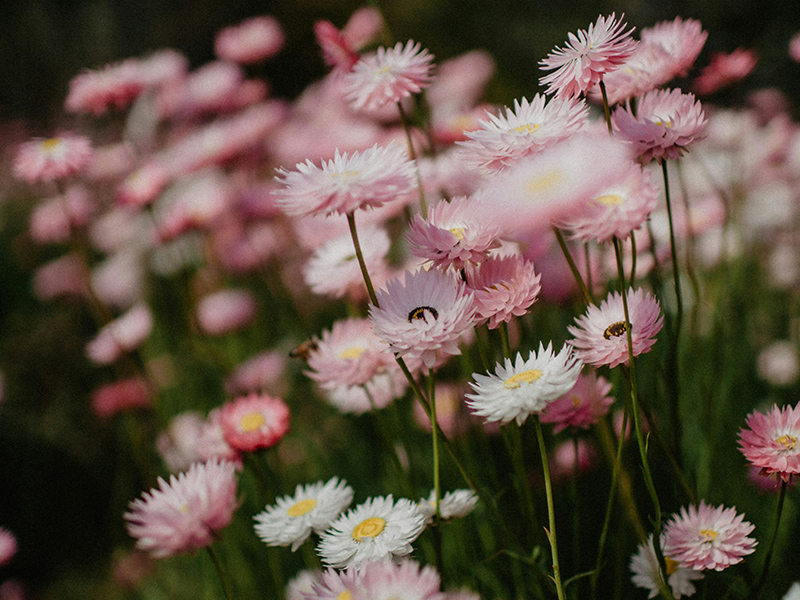
As the weather warms, gardens burst into life. This flush of new growth also attracts insects that feed on tender young shoots. Weekly checks can catch pests early, making them easier to control before they multiply. But not all bugs are bad! Here’s how to manage common pests while recognising the helpful insects in your garden, too.
THE BAD
1. Whitefly
-
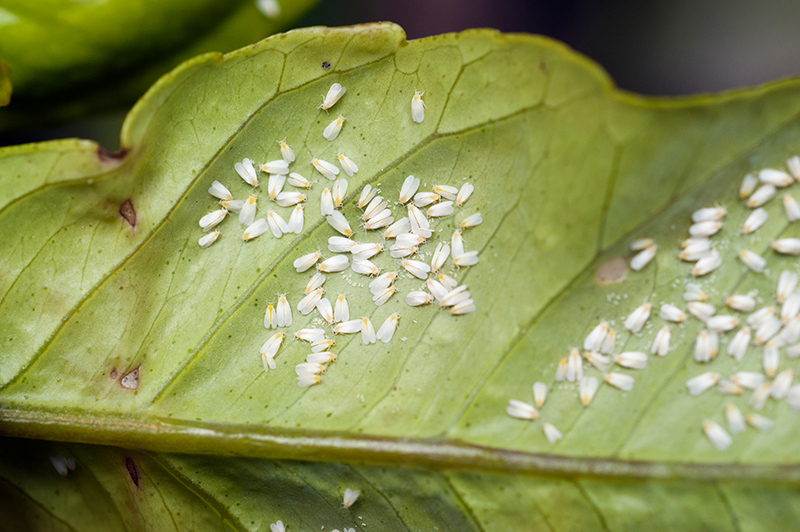
Looks like: Tiny white insects that fly up in clouds when disturbed.
-
Damage: Heavy infestations can cause yellowing, leaf drop and poor plant growth. Sticky honeydew left behind may also develop into sooty mould.
-
Treat: Spray undersides of your leaves with horticultural oil, such as OCP's eco-oil or eco-neem, repeating as needed. Hang sticky yellow traps to monitor and reduce white fly populations.
2. Scale insects
-
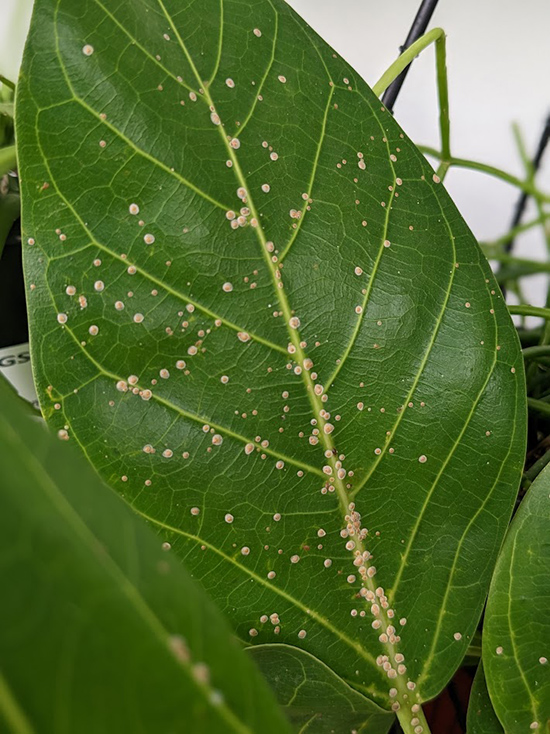
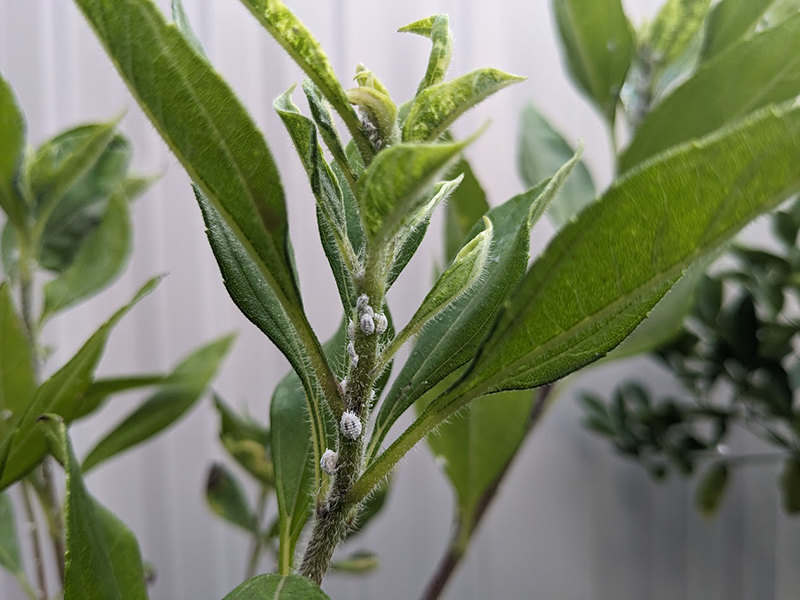
Looks like: Tiny shell-like bumps on stems and leaves. They can be brown, black, grey, white or cream.
-
Damage: Yellowing foliage, poor growth and sticky honeydew that can lead to black sooty mould.
-
Treat: Use a wire brush to remove built-up scale from sturdy, woody stems, such as mature rose canes, and gently wipe scale from the undersides of affected leaves. Follow with OCP's eco-oil to smother any remaining insects.
3. Aphids
-
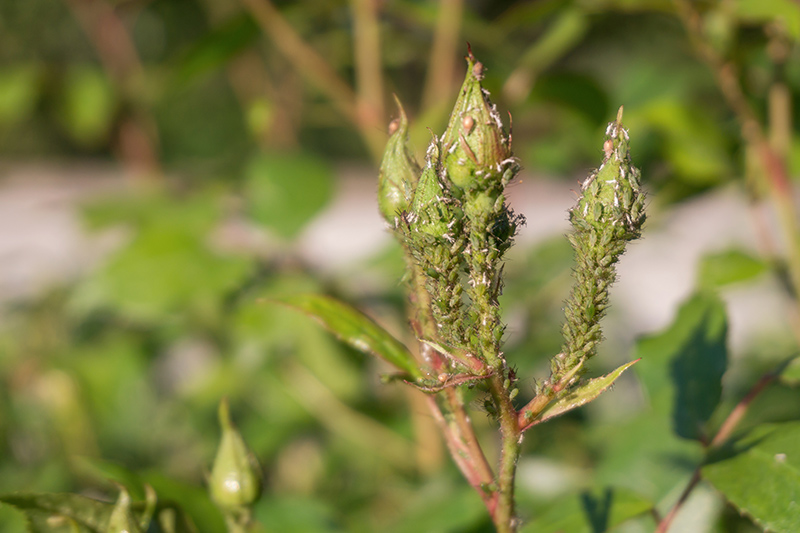
Looks like: Tiny green, black, brown or grey soft-bodied insects clustered on new shoots and flower buds.
-
Damage: Distorted new growth, curled leaves and sticky honeydew that can lead to sooty mould.
-
Treat: Small infestations can often be blasted off with a strong jet of water. Encourage natural predators such as ladybirds and lacewings or use insecticidal soap or horticultural oil if numbers build up.
4. Mealybugs
-
Looks like: White, cottony masses clustered in leaf joints, along stems and on the undersides of leaves.
-
Damage: Mealybugs suck sap from leaves and stems causing yellowing foliage and stunted growth. They secrete sticky honeydew which can lead to black sooty mould.
-
Treat: Remove small infestations by dabbing insects with a cotton bud dipped in methylated spirits. For larger outbreaks, spray with OCP's eco-oil.
5. Caterpillars
-
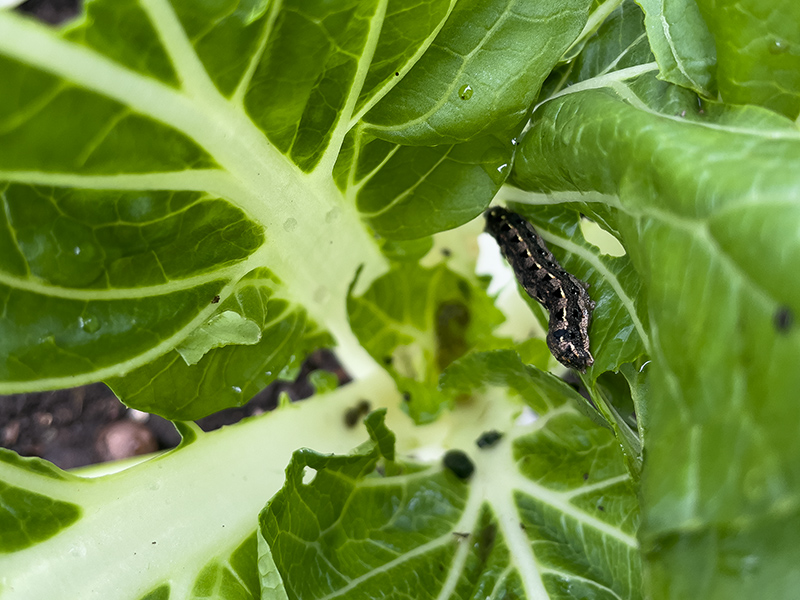
Looks like: Soft-bodied, segmented insects in a wide range of colours, often with obvious chewing mouthparts. They may be smooth, hairy, striped or spotted.
-
Damage: Holes in leaves, eaten seedlings and damaged vegetables.
-
Treat: Hand-pick where practical or apply Yates Success Ultra, a targeted insecticide suitable for certain edibles, including brassicas. It also controls thrips and codling moth.
6. Spider mites
-
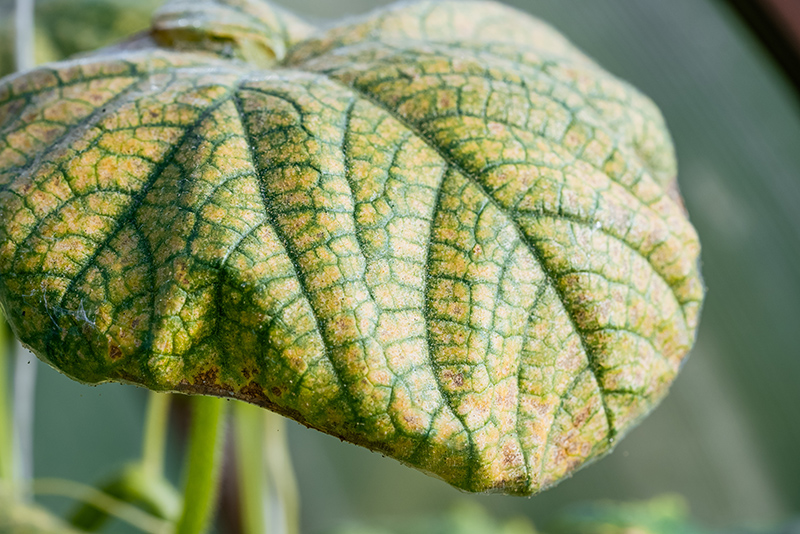
Looks like: Barely visible red, brown or pale mites, with fine webbing between stems and beneath leaves.
-
Damage: Feeding causes fine yellow or silvery speckling, bronzed foliage and premature leaf drop.
-
Treat: Spider mites favour hot, dry conditions, so hose plants regularly to dislodge them and increase humidity. For biological control, introduce predatory mites from suppliers such as Bugs for Bugs. They feed on spider mites at every life stage and work best before visible webbing appears.
7. Queensland fruit fly
-
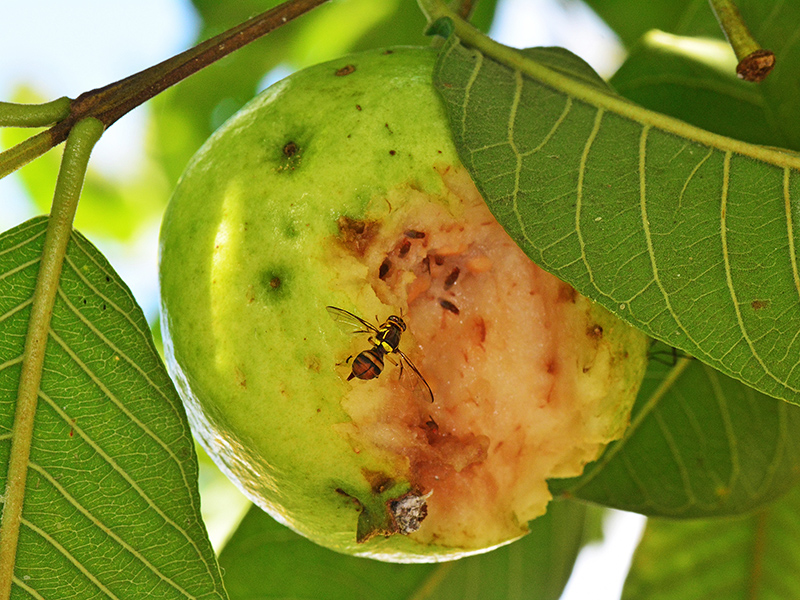
Looks like: Adult flies you may never see but soft spots, tiny sting marks and rotting fruit are tell-tale signs of its presence.
-
Damage: Maggots develop inside ripening fruit, making it inedible before it drops from the tree.
-
Treat: Protect fruit with exclusion bags or netting, hang monitoring traps, clean up fallen fruit promptly and apply registered fruit fly baits if required.
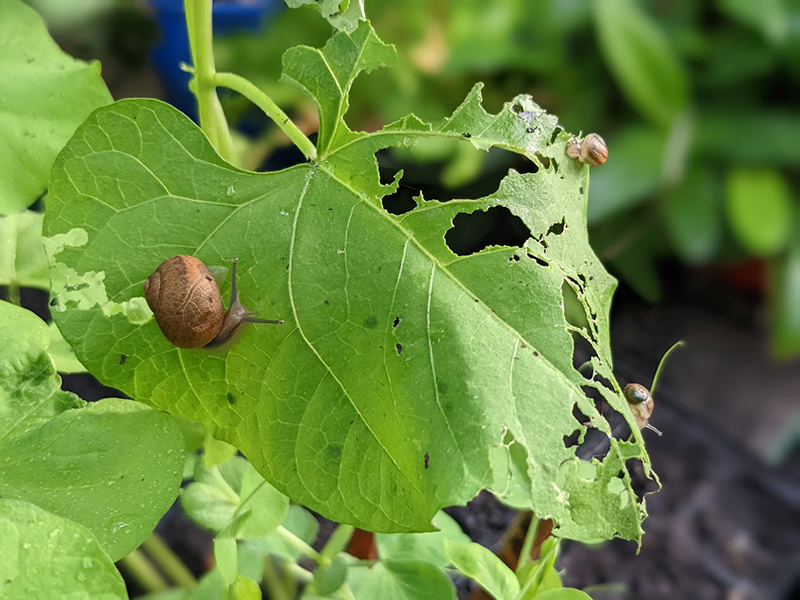
8. Slugs and snails
-
Looks like: Soft-bodied pests most active at night, after rain or in damp, shady areas. They often hide beneath mulch, pots and garden debris during the day.
-
Damage: Ragged holes in leaves, chewed seedlings and flowers, along with distinctive silvery slime trails.
-
Treat: Hand-pick at night or after rain or use an iron-based bait such as Multicrop Multiguard, a safer option around pets, birds and beneficial insects when used as directed.
THE GOOD
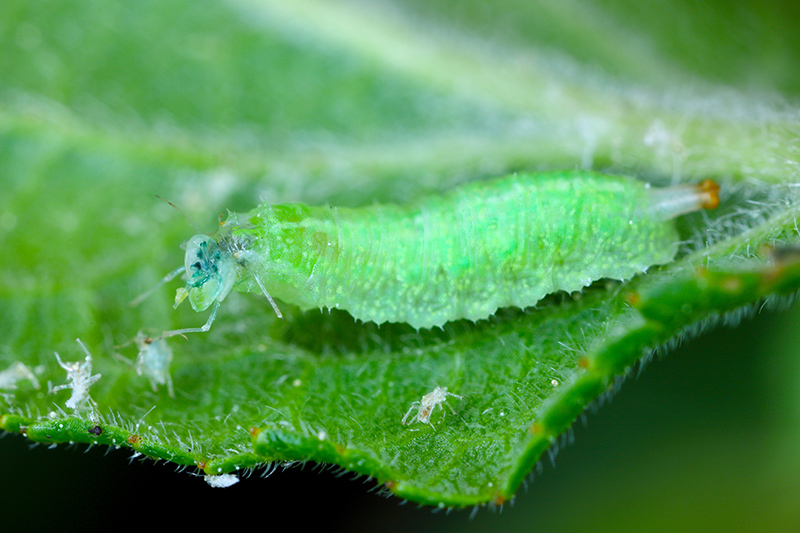
1. Hover fly larvae
Legless, slug-like maggots that resemble caterpillars. Up to 10mm long, they feed on soft-bodied aphids. Adult moths are good pollinators.
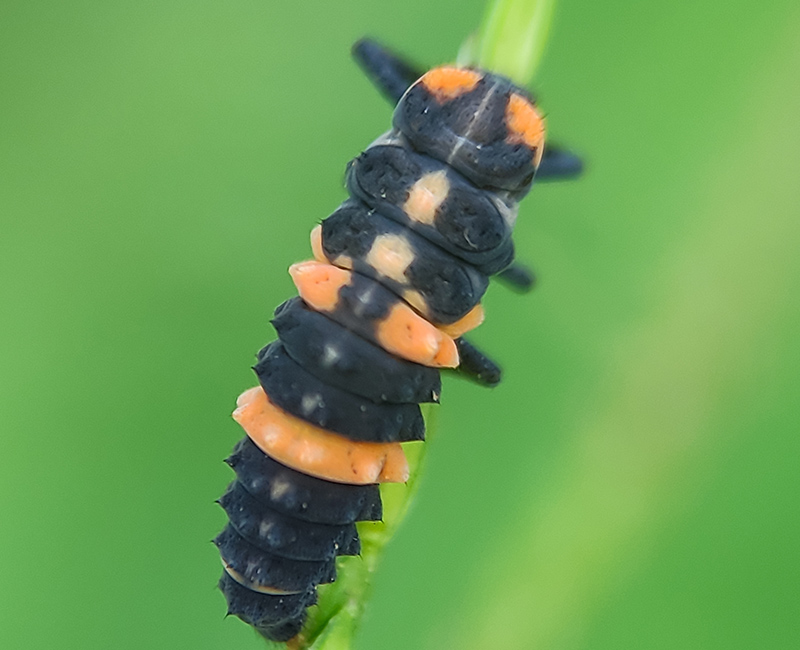
2. Ladybird larvae
Ladybird larvae are typically elongated, tapered and dark-coloured, with mottled orange or yellow markings and prominent legs. They spend about 3–4 weeks in the larval stage, shedding their skin several times while consuming hundreds of aphids before pupating.
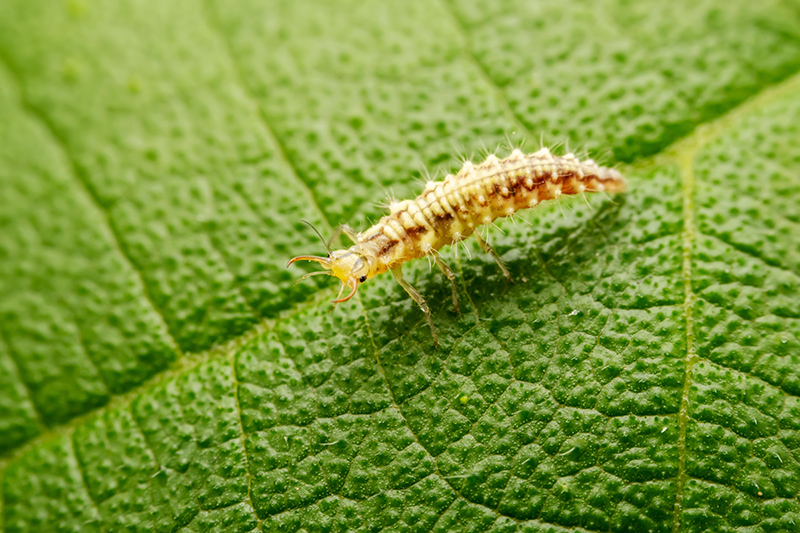
3. Lacewing larvae
Green lacewing larvae are voracious predators of aphids, mealybugs, scale insects and small caterpillars. They use their curved jaws to pierce and consume their prey.
We hope you have enjoyed this article so far.
One of the many benefits of Garden Clinic membership is full access to our website. Members please log in to view the complete articles.
If you are not a Garden Clinic member and wish to access our website as well as enjoy the many benefits of membership, including access to our Helpline 7 days a week, please visit the link below to join us.