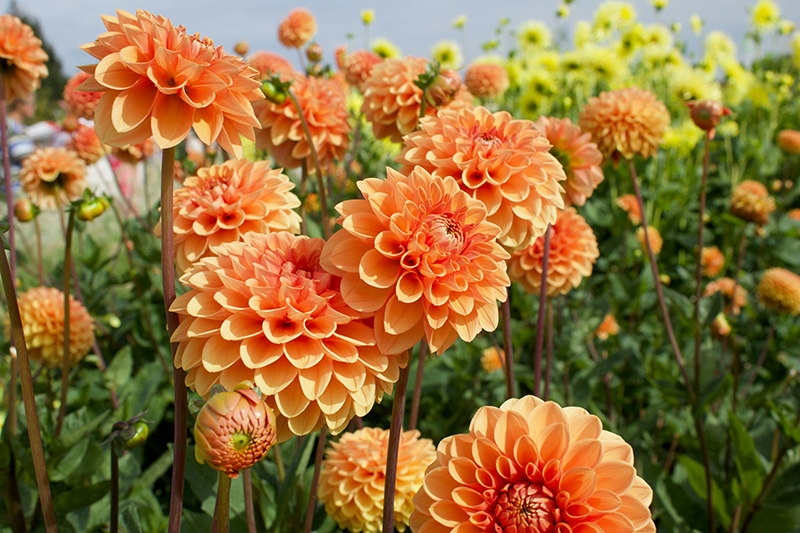
Dahlias are enjoying a huge revival with intense breeding producing new varieties in a massive colour range.
Plant in a mixed border, a cutting garden and in large planters.
“Get creative in matching or contrasting, dahlia colours to other tones in your flower garden and use their height to create tiers of colour"
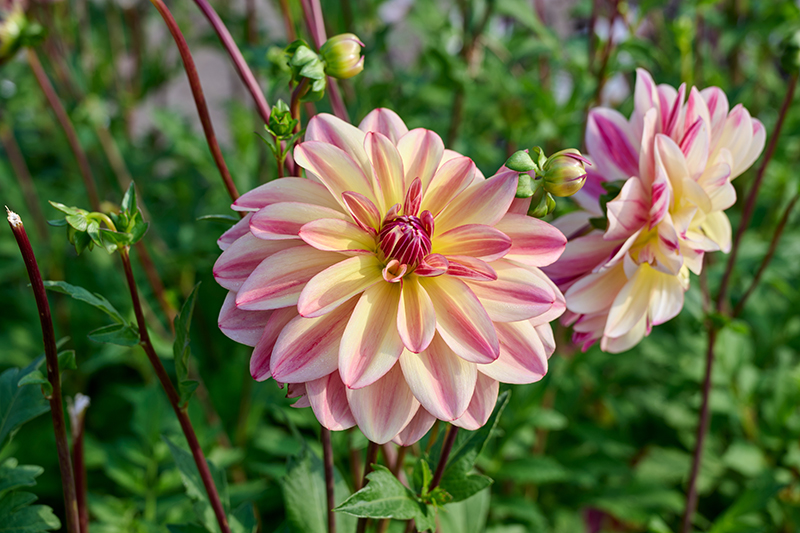
Dahlia 'Creme de Cognac' has an intriguing mix of pink, copper colours and butterscotch.
From perfectly round pompons and spiky cactus blooms to flamboyant dinner-plate flowers, dahlias offer an extraordinary mix of shapes, sizes and colours. Their blooms appear in almost every shade except true blue, filling gardens–and vases–from summer well into autumn. Sold as dormant tubers, dahlias are planted in spring once the danger of frost has passed and the soil has begun to warm. Follow these simple steps to get them off to a strong start in your garden.
HOW TO GROW
Find the right spot Choose a warm, sunny position that receives at least six hours of direct sunlight each day. Shelter from strong winds is also important, as tall plants become top heavy when covered in flowers and their hollow stems can snap. Most dahlias grow well towards the middle or back of a garden bed but make sure you can still reach the flowers for picking and deadheading. Compact varieties are ideal for the front of borders and large containers.
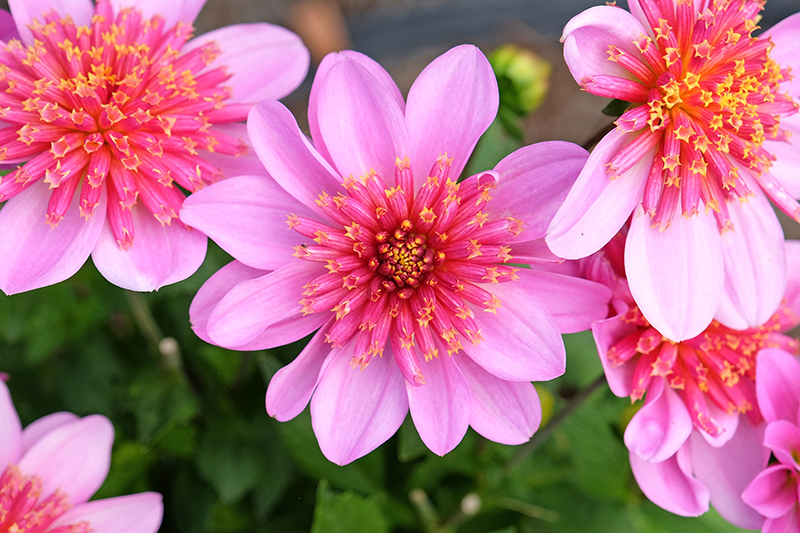
Pink collarette dahlia with open centre encourages bees to pollinate.
Prepare the soil
Dahlias perform best in fertile, free-draining soil. Before planting, work through plenty of compost and well-aged cowmanure. In heavy soil, improve the drainage or grow the plants in raised beds or containers, as dormant tubers can rot in cold,water logged conditions. Plant the tubers Plant tubers about 10–15cm deep, positioning the cluster horizontally with the old stem or crown upper most. Shoots emerge from buds around the crown, rather than from the individual tubers. Place sturdy stakes or a decorative support frame in position at planting time so you don’t accidentally damage the tubers later. Space plants according to their expected mature size. Avoid keeping the soil wet before shoots appear. Once the plants are actively growing, water deeply and regularly, particularly during hot, dry weather. Apply mulch to conserve moisture and suppress weeds.
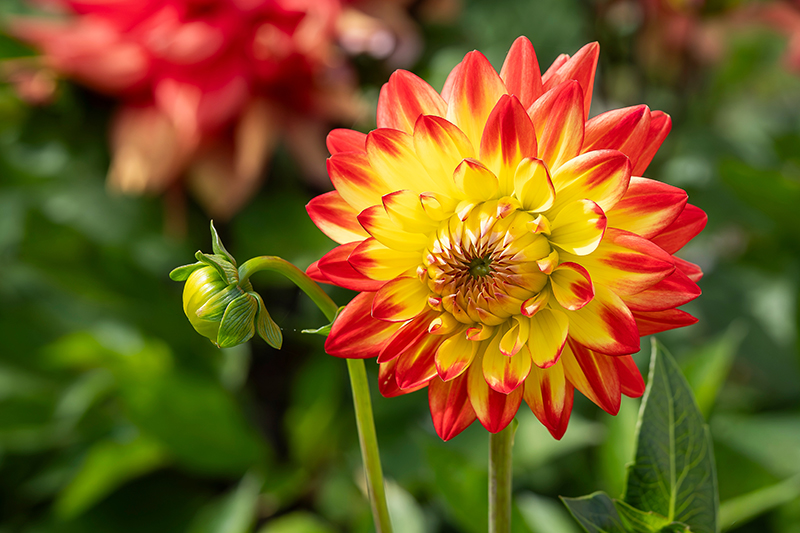
Decorative dahlias lend colour and excitement to any flower garden. Plant them and you'll love them!
Support and feed
Tie tall stems loosely to their supports with soft garden twine, adding more ties as the plants grow. Pinching out the central shoot when young plants are about 30–40cm tall will encourage them to branch, producing a bushier plant with more flowering stems. Dahlias are hungry plants but too much nitrogen can produce lush foliage at the expense of flowers. Apply a balanced organic fertiliser during active growth, followed by a liquid flower-and-fruit fertiliser once buds begin to form. Always follow the label direction.
Keep the flowers coming
Pick flowers regularly and remove spent blooms before they form seed. This directs the plant’s energy into producing more buds and helps prolong the display. For the longest vase life, pick dahlias when the flowers are fully open, preferably during the cool of the morning. Unlike some cut flowers, tight dahlia buds generally won’t open properly once picked.
Watch for problems
Slugs and snails relish tender new shoots,while aphids, caterpillars and mites may appear as the weather warms. Check plants regularly, particularly around shoot tips and beneath the leaves and treat problems early. Good airflow and watering at soil level can help reduce fungal diseases. Remove badly affected leaves and clear away fallen foliage rather than leaving it around the plants.
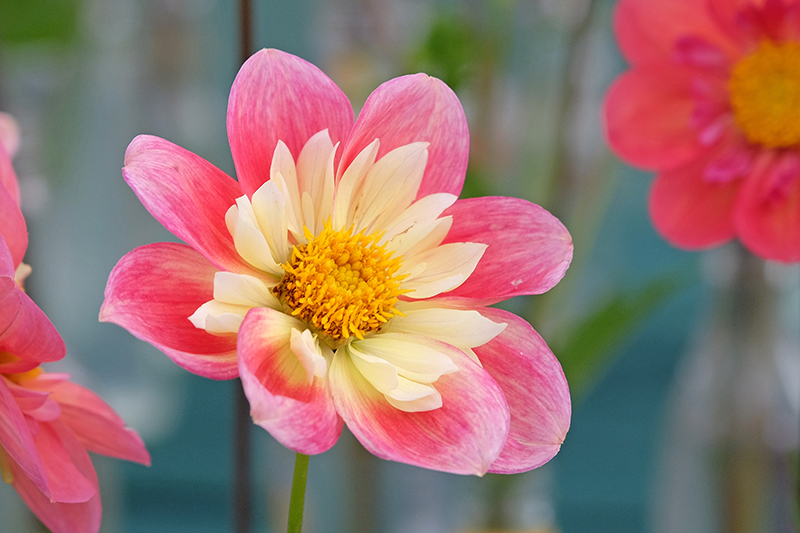
"Plant just one tiny tuber and it will produce long-lasting dahlias for months – now that’s bang for your buck!"
Where to buy
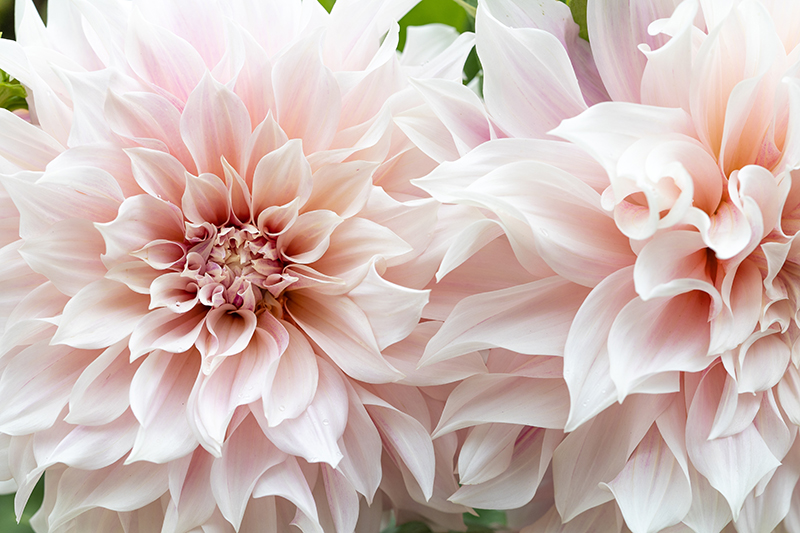
'Cafe au lait' dinner plate variety is loved for its huge pastel blooms in shifting shades of cream, blush pink and coffee.
At the end of the season
Flowering slows as weather cools and foliage eventually yellows or is blackened by frost. Cutstems back to just above ground level once they have died down. In mild climates with free-draining soil, tubers can usually remain in the ground over winter beneath a layer of mulch. In cold districts or where winter soil stays wet, lift them carefully and allow them to dry before storing in a cool, dry, frost-free place. Label each variety before packing it away. Lift and divide crowded clumps every two or three years. Each division must include part of the crown with at least one viable bud or 'eye'. A detached tuber without a section of crown will not produce a new plan.
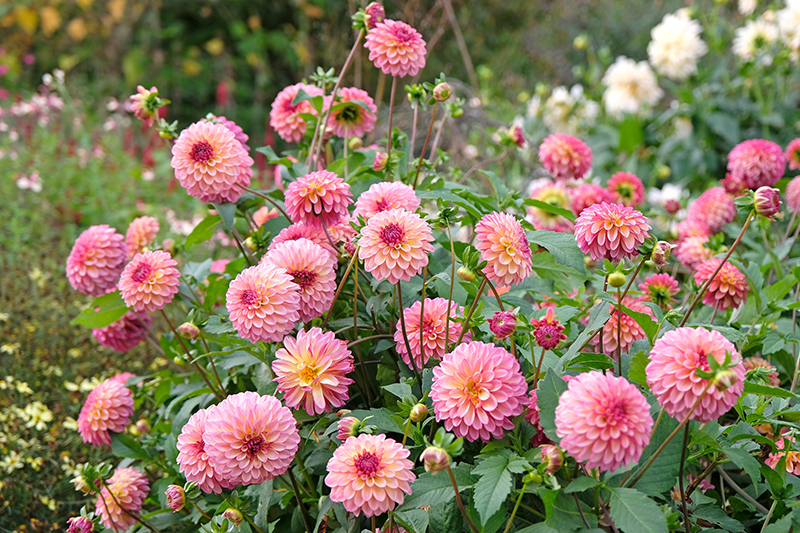
Formal decorative dahlias have uniform shapes good for beginner growers. They produce lots of blooms and come in many colours.
We hope you have enjoyed this article so far.
One of the many benefits of Garden Clinic membership is full access to our website. Members please log in to view the complete articles.
If you are not a Garden Clinic member and wish to access our website as well as enjoy the many benefits of membership, including access to our Helpline 7 days a week, please visit the link below to join us.