
1. Grow lovely lilies
LOTS OF PLANTS CARRY THE NAME LILY – belladonna, daylily, lily-of-the-valley and canna lily– but true lilies (Lilium) are best planted in winter, in the garden or in pots. Buy bulbs from your garden centre or online (VDQ Bulbs and Tesselaar) and plant immediately to prevent them drying out.
-
STEP 1. Plant lilies in well-drained, sunny spots, sheltered from hot afternoon sun.
-
STEP 2. In heavy soil, raise the bed to ensure good drainage and prevent bulb rot.
-
STEP 3. Add plenty of nutrients. Pelletised manures like Sudden Impact for Roses with extra potash encourage strong flowering.
-
STEP 4. Plant bulbs 10cm or deeper to keep them cool. And stake tall varieties at planting -some Oriental lilies can reach 3m.
-
STEP 5. Lilies also thrive in pots. Use a deep container (20-30cm) with excellent drainage, cover the hole with fine wire and plant bulbs 10-15cm deep and 5-10cm apart. Support stems with a bamboo teepee, feed with controlled-release fertiliser, place the pot in morning sun and water carefully – not too much!

2. Last chance for tulips
EARLY JUNE IS PERFECT FOR PLANTING TULIPS. The cool soil tricks them into thinking they’re in Holland! Plant in the garden or pots – not too deep – and overplant with alyssum or lobelia so the low-growing flowers fill in around the emerging tulips.

3. Sing the blues
KEEP YOUR HYDRANGEAS BLUE BY USING A ‘BLUEING TONIC’, such as Yates Hydrangea Blueing Liquid. This easy-to-use liquid (2.5% aluminium sulphate) acidifies the soil, encouraging intense blue blooms. It works by lowering soil pH to around 5.5, helping the plant absorb aluminium – especially important after winter pruning. Start treatments immediately after pruning. Mix the tonic with water and apply every 3-4 weeks throughout the growing season for consistent results.
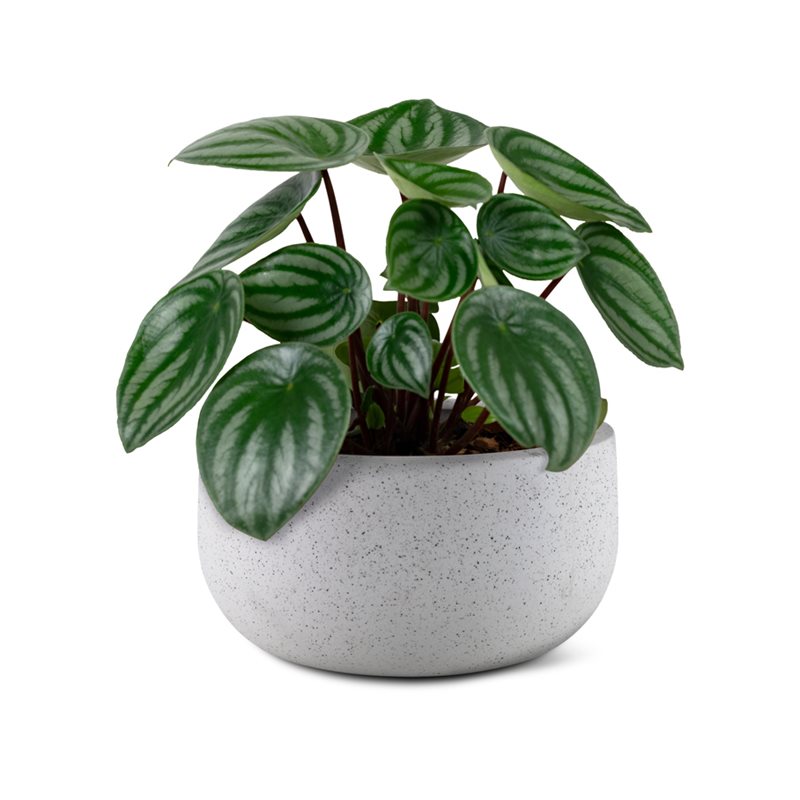
4. Care for indoor plants
HOUSE PLANTS NEED ATTENTION AS INDOOR TEMPERATURES DROP.
-
Move them to a warm spot with lots of light, avoiding exposure to cold draughts and heat sources. Try to maintain consistent warm temperature, between 15-24 ̊C.
-
Allow your house plants to dry out in winter as wet soil encourages root rot. Boost humidity, which drops due to heating, by grouping plants together, using a humidifier or placing pots on a pebble tray filled with water.
-
Don’t feed house plants in winter, except for flowering plants like African violets, which need regular feeding to maintain their blooms.
-
Dust leaves with a damp cloth to allow them to ‘breathe’ and absorb available light.
-
Check for pests like spider mites and mealy bugs and treat with eco-oil, if needed.
5. Prune hydrangeas
MOST MOPHEAD AND LACECAP HYDRANGEAS CAN BE PRUNED back to two healthy, plump buds. Remove around one-third of the total growth, taking care not to prune too hard, as this can reduce flowering. Make cuts just above a node at there maining buds to encourage strong new growth. The shoots that develop will produce flowers in late spring. Always use clean, sharp secateurs to prevent spreading disease, and disinfect them between cuts.
6. Sow your broad beans
TIMING DEPENDS ON YOUR CLIMATE. In warm regions, sow in early winter; in temperate or cool areas, sow during winter. Plant seeds directly where they will grow, as seedlings don’t transplant well. The large seeds are easy to handle and space evenly. Check your seed packet for sowing depth and timing for your area. Broad beans thrive in moist soil, so don’t let it dry out – water daily if needed. Growth is slow in winter, so be patient. Once plants begin to flower, keep the soil consistently moist.
7. Go wild for natives
JUNE IS AN EXCELLENT TIME TO PLANT WINTER-FLOWERING AUSTRALIAN NATIVES, allowing roots to establish in cool, moist soil before spring. Top choices include hardy wattle, grevillea, correa, eremophila, thryptomene and banksia. Choose a sunny spot for all listed plants, except for correa which prefers the protection of an understory. Make sure your garden soil is well drained especially for Western Australian natives. If the soil is heavy, consider mounding soil or raising the level of your garden bed with bricks, sleepers or metal edge to improve drainage.