1. Watch out for fruit fly
Set traps or apply organic controls early to protect vulnerable crops and encourage neighbours to do the same to reduce local populations. Queensland fruit fly attacks a wide range of fruits and vegetables, including stone fruit, citrus, apples, pears, passionfruit, berries, figs, avocado and tomatoes. Protect crops with fruit bags, insect exclusion netting or a fruit cage. Good garden hygiene is equally important – pick ripe fruit promptly, collect and dispose of fallen fruit, and solarise any infested fruit in clear plastic bags before binning it.
2. Mulch garden beds
Now is the time to mulch garden beds to protect plant roots from summer heat and to help conserve moisture.
-
STEP 1. Remove weeds and water deeply, if conditions are dry.
-
STEP 1. Apply a pelletised fertiliser for a slow-release nutrient boost, then spread a 5cm layer of mulch over garden beds, keeping it clear of plant stems and trunks.
-
STEP 2. Choose from sugar cane, pea-straw, leaf litter, mushroom compost or milled cow manure. We love Chockablok by Neutrog.
-
STEP 3. Avoid over-mulching. Thick layers of mulch (more than 10cm) can act as a barrier to rain, trap too much dampness that leads to fungal diseases or rot and restrict the airflow plant roots need to survive.
3. Grow up with pumpkins
You love the idea of pumpkins but think they will take up too much space? Wrong! Pumpkins can be grown vertically over a fence or trellis to save space while still providing a plentiful harvest for next winter. Wait until any chance of a late frost has passed to sow your pumpkin seeds. October is the perfect month in most Australian gardens, except for the tropics and subtropics when it’s wise to sow seed in the dry season.
You can also sow watermelon, rockmelon and honeydew in a sunny spot into well-drained soil that’s been enriched with compost. Compact watermelon varieties like ‘Sugar Baby’ grow well in small spaces. This variety yields round, 2-3kg fruits and fits perfectly on a vertical trellis.
4. Propagate Christmas presents
Take cuttings of Devil’s ivy (Epipremnum aureum), syngonium, snake plant (Dracaena trifasciata), monstera, rhipsalis, hoya, philodendron and string of pearls (Curio rowelyanus). Root your cuttings in a glass of water or insert them into a pot of propagating mix. Transplant into individual pots filled with a premium potting mix once a substantial root-ball has formed. They’ll make excellent Christmas gifts!
5. Refresh grevilleas
Don’t be afraid to prune winter-flowering grevilleas in mid-spring, even if they’re still flowering. Tip-prune young plants to create a denser habit and cut older, leggy specimens back by up to two-thirds to encourage fresh growth and a better floral display next season. Remove crossing or inward-facing branches to improve airflow.
6. Repot your indoor plants
Spring is the perfect time to give rootbound indoor plants a fresh start before their active growing season begins. Move plants into a pot just one size larger, refresh old potting mix and trim away damaged or yellowing leaves. Wipe dust from foliage and check for pests hiding under leaves. Finish with a thorough watering and reposition plants in a spot with bright, filtered light.
7. Feed your florals
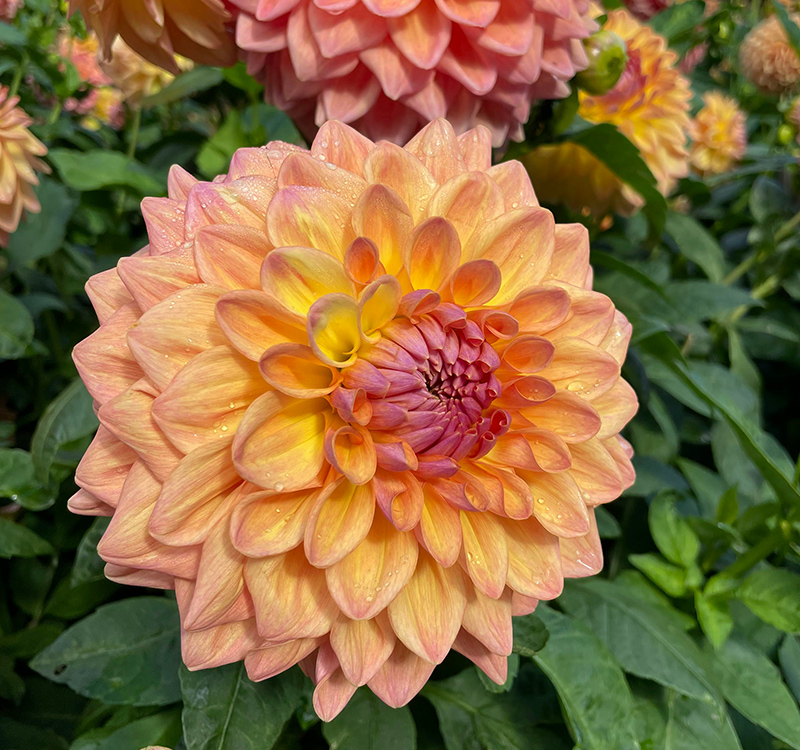
Hydrangeas and dahlias are hungry plants. Sprinkle an organic rose fertiliser such as Terra Firma’s Organic Life around them to provide the nutrients needed for healthy growth and abundant flowering. You’ll find a deep weekly drink of seaweed solution will also help.
8. Prolong the flowering
of sweet peas, poppies and ranunculus by watering with a phosphorus- and potassium-rich soluble fertiliser, such as Richgro Rose and Flower Food liquid added to your watering can. Continue picking flowers and deadheading regularly to extend the flowering season.