Sow zinnias
November is the month to sow zinnia seeds directly into a sunny garden bed. Once seeds have germinated, thin the seedlings to the recommended spacing directions on your seed packet. Other flowers to sow now include sunflower, cosmos, rudbeckia, larkspur, marigold, paper daisy and nigella. Make sure you keep the newly sown seeds just moist, never let them dry out or they won’t germinate.
Shape the garden
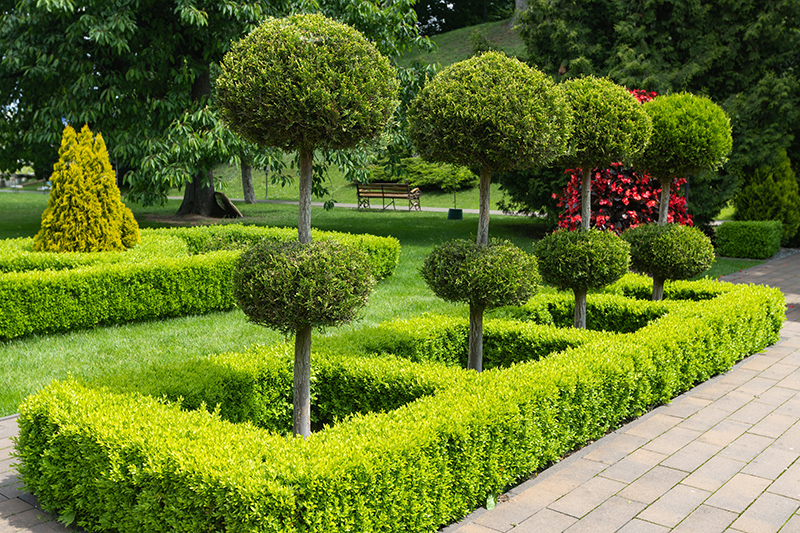
Clipped topiary balls are popular in landscape design because they provide strong structural form, visual balance and year-round greenery. They add a sense of sophistication to any outdoor space while softening hard surfaces and contrasting with softer, more organic plant growth. Traditionally, this spherical form of topiary is taken by English box (Buxus sempervirens) but it’s slow growing and expensive. Instead, try these natives.
-
Coastal rosemary (Westringia fruticosa) is a hardy, drought-tolerant native shrub that responds well to clipping, making it a great low-maintenance alternative to English box for hedges and topiary.
-
Dwarf casuarina ‘Green Wave’ is another outstanding, hardy, native alternative. It offers the same clean, architectural, formal look but is drought-tolerant and disease-resistant. Hand shears or clippers provide much better control than large, clunky hedge trimmers, which can easily ruin a perfectly round shape. Use antibacterial wipes to clean blades and prevent disease spread between plants.
Refresh bird baths
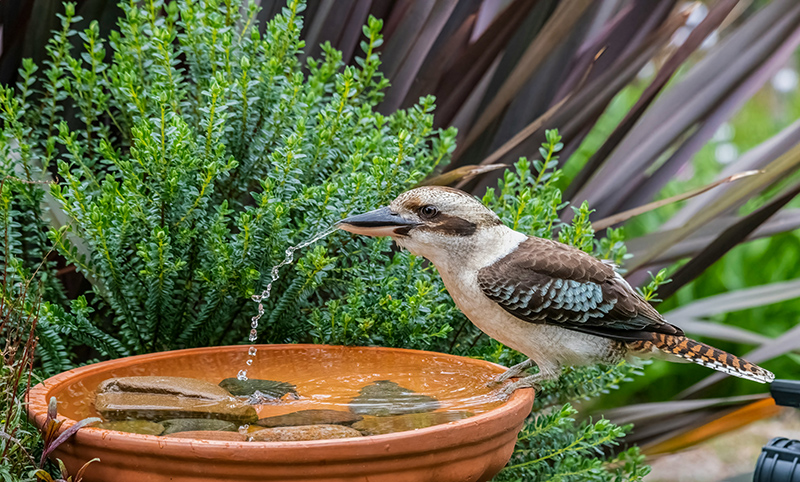
As temperatures rise, clean and refill regularly to provide a reliable source of fresh water for visiting wildlife. Position them in a shaded spot to keep the water cooler for longer and reduce algae growth. If possible, add a few stones or sticks so smaller birds and insects have a safe place to perch while they drink.
Soak your citrus
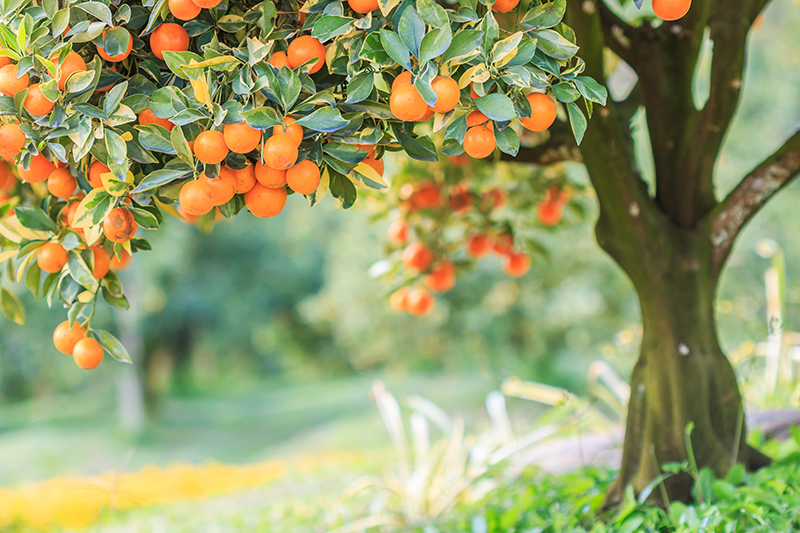
In November, citrus trees require frequent, deep watering, usually once or twice a week, to support heavy fruit set and new growth. Water stress during this critical flowering and fruit-development phase can lead to dropped blossoms and split fruit. Watch for citrus leaf miner, the larvae of a small moth that lays eggs on fresh new citrus leaves. These larvae tunnel into the leaves and distort the new growth. Spray with a light organic oil such as eco-oil once a week while they are active.
Create summer shade
Drape your pergola in ornamental grape vines for summer shade and winter sunshine. This handsome vine changes colour in autumn before the leaves fall. Watch out for grape caterpillar with black, white and yellow stripes. These voracious eaters can quickly skeletonise your vine of all its leaves. Spray with a naturally occurring bacterium such as eco-caterpillar killer, that targets caterpillars without harming birds, bees and butterflies.
You might prefer an edible grape vine on your pergola. This is a beautiful, functional way to create "living shade" while harvesting your own fruit. Success requires a sturdy structure built for heavy vines, well-chosen table or wine grape varieties, to suit your climatic conditions, and diligent annual pruning to manage the canopy and promote fruit production.
Grow African violets
African violets are compact indoor plants prized for their colourful blooms and attractive foliage. Flowering for much of the year, they're perfectly suited to windowsills and thrive in the same conditions most people find comfortable. Thousands of hybrids are available, with flowers in shades of violet, blue, pink, white and bi-colours, ranging from simple single blooms to ruffled doubles. Even when not in flower, their velvety leaves – which can be deep green, ruffled or variegated – make them highly decorative. For best results:
Give them good light. All they need to keep their good looks is bright, indirect sunlight. A sunny east-facing window with dappled light or a sheer curtain is perfect.
Water regularly. Flower buds will dry off when violets are allowed to dry out completely, sometimes before you are aware that they were forming. Violets love slightly moist conditions, never bone dry, never soggy wet, and especially never being left to stand in water for more than a few minutes. Water thoroughly from the top (under the leaves) or from the bottom once a week and drain the excess water promptly.
Nourish well. Starving violets lack the energy to bloom. Many growers have the best success fertilising once a week with a mild fertiliser designed for African violets. We recommend adding a small amount of fertiliser to the water each time you give them a drink.